
Social media can make Japan’s customs sound like a list of absolute rules. Yet travelers’ stories also point to practical problems: arriving at a restaurant that is closed despite a map listing it as open, waiting a long time for a rural bus, needing more cash than expected, or struggling with a large suitcase on narrow streets and stairs.
This guide uses travelers’ experiences as planning prompts, then covers practical etiquette and how to check rules that vary by location or facility. Individual stories are not statistics, and they do not mean the same thing will happen to every visitor. Check current local guidance for your own destination.
Travel mistakes are planning clues, not statistics
In a Reddit thread about mistakes on trips to Japan, travelers shared experiences such as restaurants closing earlier than expected outside major cities, map listings that missed temporary closures, infrequent buses and difficult connections, needing cash, and hauling a large suitcase along narrow streets. These are personal accounts, not a survey. They are useful reminders to check official business updates, look up return and last bus times, carry some cash, and consider how much luggage you will need during the day.
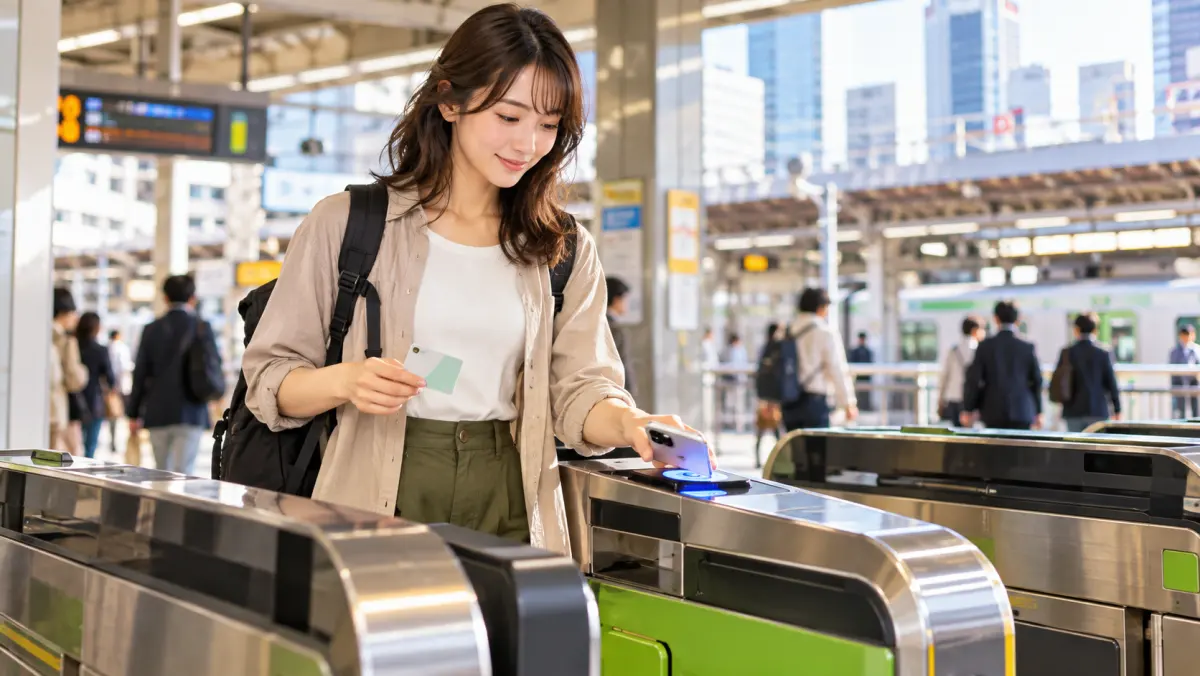
- On trains and buses, keep calls quiet and make room for others
- Respect photography signs, restricted areas, and people’s privacy
- Do not litter; follow local sorting signs
- Smoke only in designated areas and check local signs
- Eating while walking is not universally banned, but follow local rules
- Carry some cash and plan for luggage, walking, and weather
- At temples, shrines, and traditional venues, follow the site’s instructions
- Check official business hours and have a backup dining option
- Ask three questions before relying on etiquette advice on social media
- A quick checklist before your trip
- In short: know the basics, then check local guidance
On trains and buses, keep calls quiet and make room for others

- Silence your phone and avoid voice calls on board.
- Keep conversations and video volume low; use headphones for audio.
- Queue before boarding and let passengers get off first.
- In a crowd, take off your backpack or hold it so it does not block the aisle.
Escalator customs and bus boarding or payment methods can vary by city and route. Follow signs at the station and on the vehicle. Before traveling outside major cities, check the return service and last bus, plus an alternative in case you miss it. See JNTO’s Japanese customs and etiquette guide and its guide to trains and buses.
Respect photography signs, restricted areas, and people’s privacy

- Follow photography signs and staff instructions at temples, shops, museums, and other facilities.
- Ask permission when a person would be the main subject of your photo, especially at close range.
- Never enter railway tracks, roads, private property, or restricted areas to get a picture.
Japan’s Tourism Agency asks visitors to avoid unauthorized photography and trespassing. See its traveler guidance and JNTO’s guide to responsible photography.
Do not litter; follow local sorting signs

Public trash bins are not always easy to find. If there is no bin nearby, carry your trash until you find an appropriate place to dispose of it. Use the labeled section when bins are separated. Sorting rules may differ by municipality or facility, so follow local instructions. See the Tourism Agency’s traveler guidance.
Smoke only in designated areas and check local signs

Smoking rules vary by municipality and facility. Look for a designated smoking area instead of assuming smoking is allowed indoors or on the street. Avoid smoking while walking, and never discard cigarette butts on the ground. See JNTO’s advice on traveling mindfully.
Eating while walking is not universally banned, but follow local rules

There is no need to assume eating while walking is prohibited everywhere in Japan. However, it can obstruct busy streets, and some sightseeing areas restrict it. Check signs, use a designated eating area when available, and do not bring outside food into a shop that prohibits it. A commuter train and a long-distance train are different situations, so follow onboard guidance and be considerate of people nearby. See JNTO’s advice on traveling mindfully.
Carry some cash and plan for luggage, walking, and weather


Payment options differ between businesses and transport services. When visiting smaller towns, carry a modest amount of cash and check what the bus or restaurant accepts. A large suitcase can make station stairs and narrow streets difficult. Consider a station locker, luggage storage, or delivery through your accommodation. On the Tokaido, Sanyo, and Kyushu Shinkansen, luggage with total dimensions over 160 cm and up to 250 cm requires a seat reservation with an oversized-baggage area. Check JR Central’s luggage guidance and our guide to suitcase size and reservation rules on Japanese trains. After long walks or rain, spare socks and rest breaks can help; choose shoes you have already broken in.
At temples, shrines, and traditional venues, follow the site’s instructions

Rituals and photography rules differ among temples and shrines. Read signs, follow staff guidance, stay outside restricted areas, and avoid touching cultural property. Some ryokan, temples, and restaurants ask visitors to remove their shoes at the entrance. Look for a sign or shoe storage, and use indoor slippers if provided. If unsure, ask a staff member. See JNTO’s customs and etiquette guide and its guide to shrine and temple traditions.
Check official business hours and have a backup dining option

Check a business’s own website or official social account as well as its map listing. Confirm opening days, hours, temporary closures, and whether you need a reservation. For a restaurant far away or outside a major city, check again before setting out and choose a nearby backup. Allow enough time to reach reservations. If you will be late or cannot make it, contact the business as soon as possible and check the cancellation policy you received when booking.
Ask three questions before relying on etiquette advice on social media

- Where does it apply? Is it nationwide or specific to one city or facility?
- When was it posted? Is there a newer official notice?
- What is the source? Is it a law, facility rule, local request, or one person’s opinion?
For photography, restricted access, smoking areas, reservations, and luggage, check the official guidance for the place or transport service you will use. A popular post cannot guarantee that its information is current for your destination.
A quick checklist before your trip

| Situation | What to remember |
|---|---|
| Trains and buses | Keep calls quiet, queue, and keep bags out of the way |
| Photos and trash | Check signs, respect privacy, and do not litter |
| Smoking and food | Use designated places and follow local restrictions |
| Temples and ryokan | Check access, photography, and shoe instructions on site |
| Restaurants | Confirm official hours and contact the venue if plans change |
| Rural travel | Check the next and last bus, payment, and alternatives |
| Payments and luggage | Carry some cash and avoid unnecessary bags |
In short: know the basics, then check local guidance
On a trip to Japan, it helps to keep public transport quiet, queue, avoid photographing people without permission, take your trash with you, and stay out of restricted areas. Details about smoking, eating, photography, and removing shoes vary by place. Follow basic courtesies, then check signs and official guidance at your destination. That makes it easier to travel considerately without worrying about memorizing every possible custom.
Official sources
- Japan Tourism Agency: Traveler guidance
- JNTO: Japanese Customs and Etiquette
- JNTO: Traveling Mindfully
- JNTO: Responsible Photography
- JNTO: How to Travel by Train and Bus
- JNTO: Shrine and Temple Traditions
Traveler experiences
Reddit: What’s a mistake you made on your Japan trip that others could learn from? (individual experiences, not representative statistics)

コメント